Aerial view of African urban periphery
Genesis

Metroland:
Urban Fringes.

An ANR-funded multi-dimensional study documenting the socio-spatial and land-tenure dynamics of metropolitan peripheries in Bamako, Dakar, and Nairobi (2022–2026).

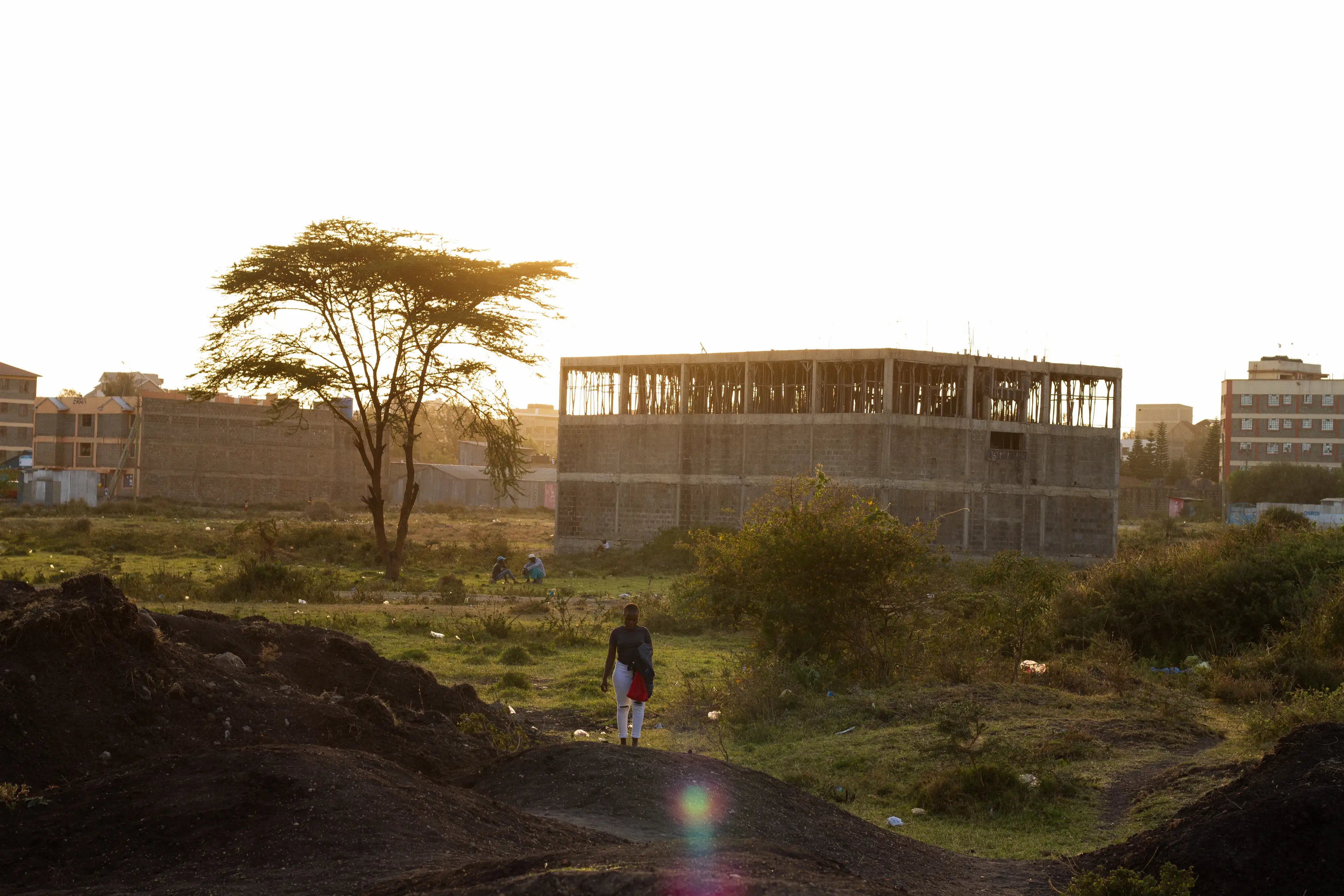
The rural fringes of Bamako, Dakar, and Nairobi are undergoing massive land-use changes at the crossroads of ambitious state projects, private economic real-estate investments, and individual purchases of land plots. Despite wide demographic pressure and growing property investments, the understanding of these land transfer processes and the associated socio-spatial reconfigurations remains partial in the urbanisation fronts.

The Metropolitan Transition

Beyond established cores, a new layer of habitation is forming. Urban sprawl feeds multiple speculations, anticipations, and varied strategies of real-estate profit-sharing — this forms the core hypothesis of our project. The metropolitan transition gives rise to competition and sometimes violent conflicts for the control of land rents. Our project takes into account the wide range of actors, sectors, and dynamics that participate in these changes and their diverse impacts on urban forms and social inequalities.

“Urban sprawl feeds multiple speculations, anticipations, and varied strategies of real-estate profit-sharing.” — METROLAND Project Hypothesis

We combine an empirical approach with qualitative data production, quantitative data collection, and spatial analysis to question (i) the transactions carried out on land and the capital resources of differentiated actors; (ii) the socio-spatial reconfigurations of territories in terms of use and users; and (iii) the conflicts and social mobilisations generated by these transformations.
Scope of Study

  • Land Tenure

    Mapping the shift from communal agricultural land to private urban parcels and documenting investor profiles.

  • Mobility Patterns

    Analysing the infrastructure and transit networks connecting satellite cities to urban cores.

  • Social Inequalities

    Evaluating dispossession, tenure insecurity, and resistance strategies of local communities.

Research Findings

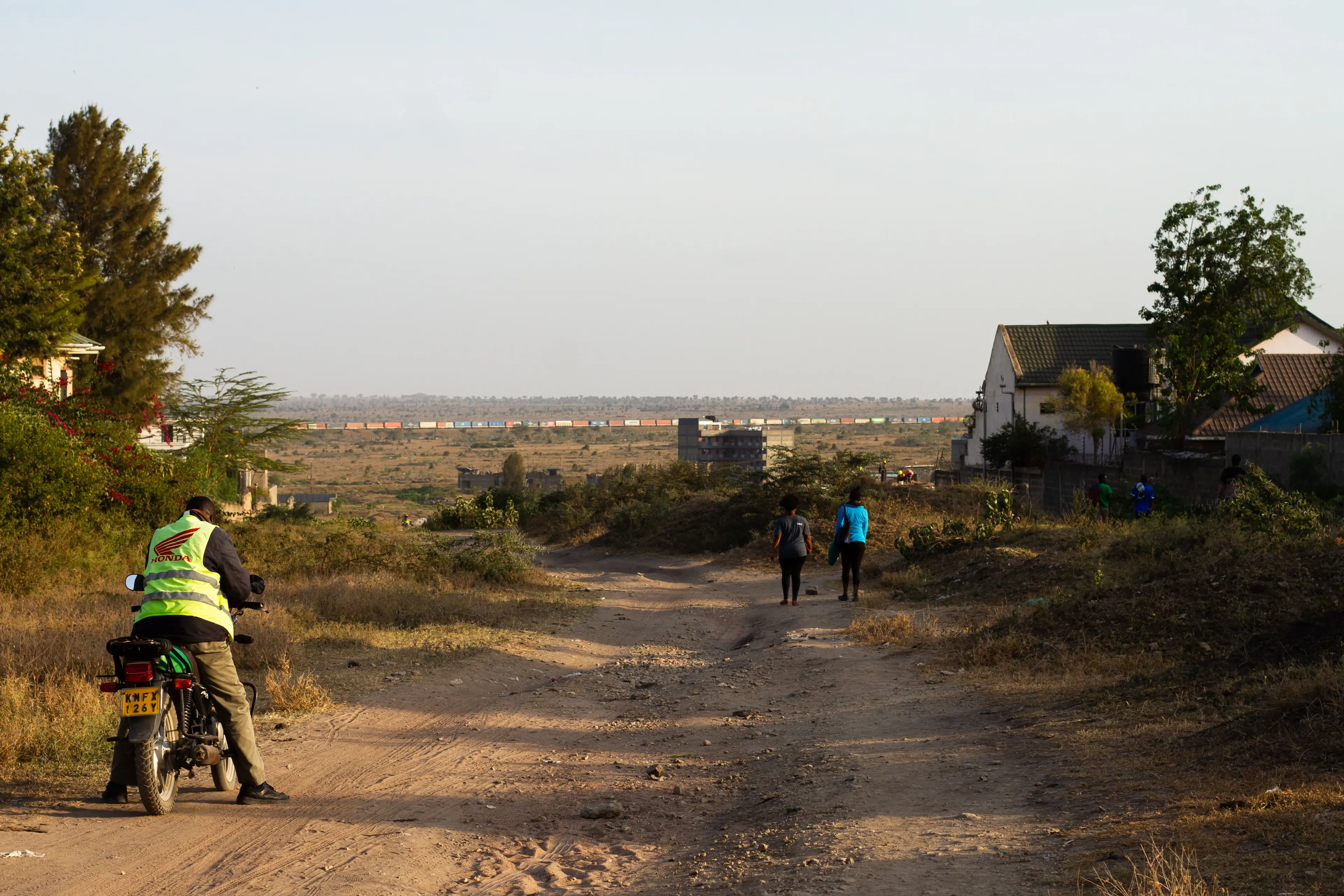
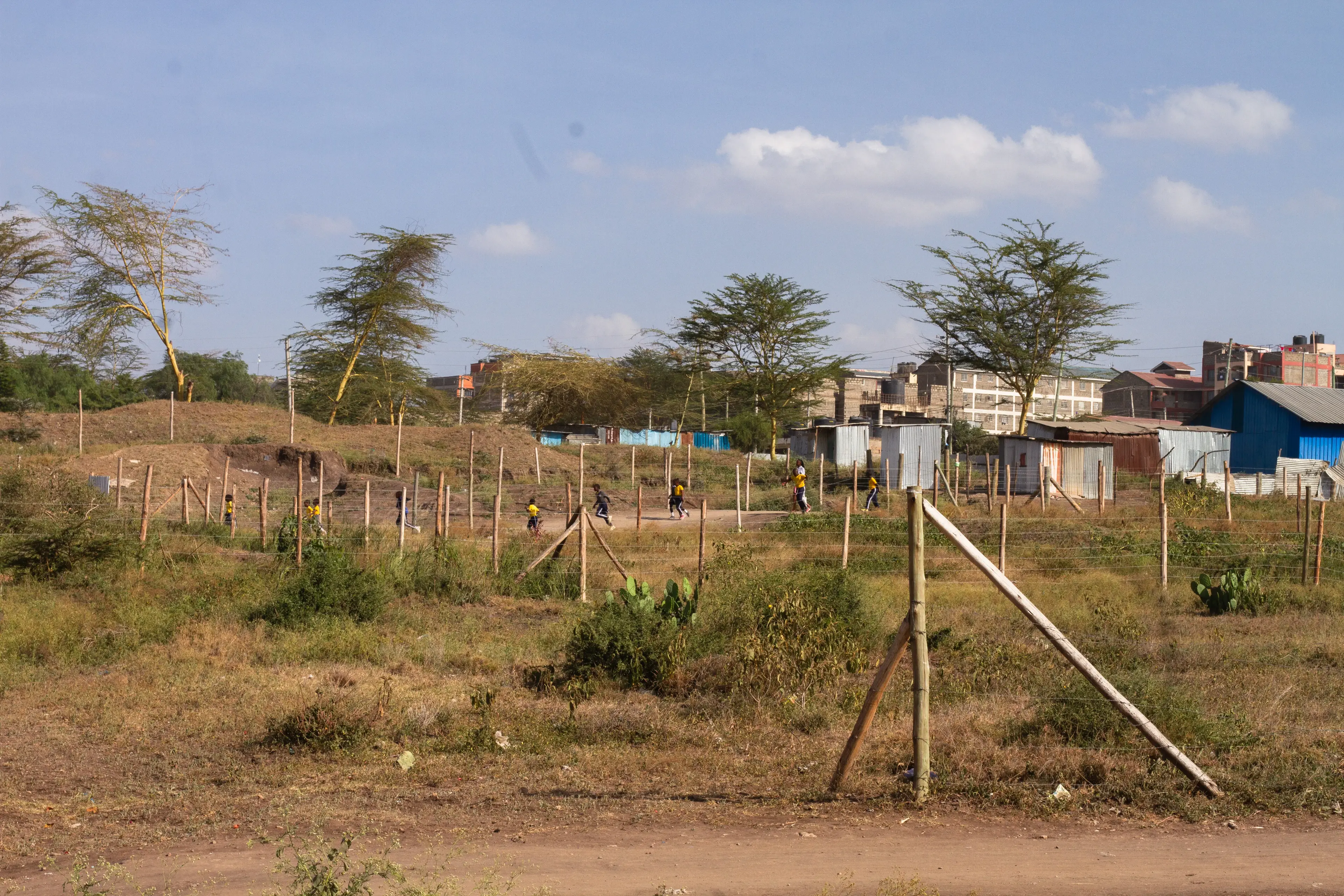
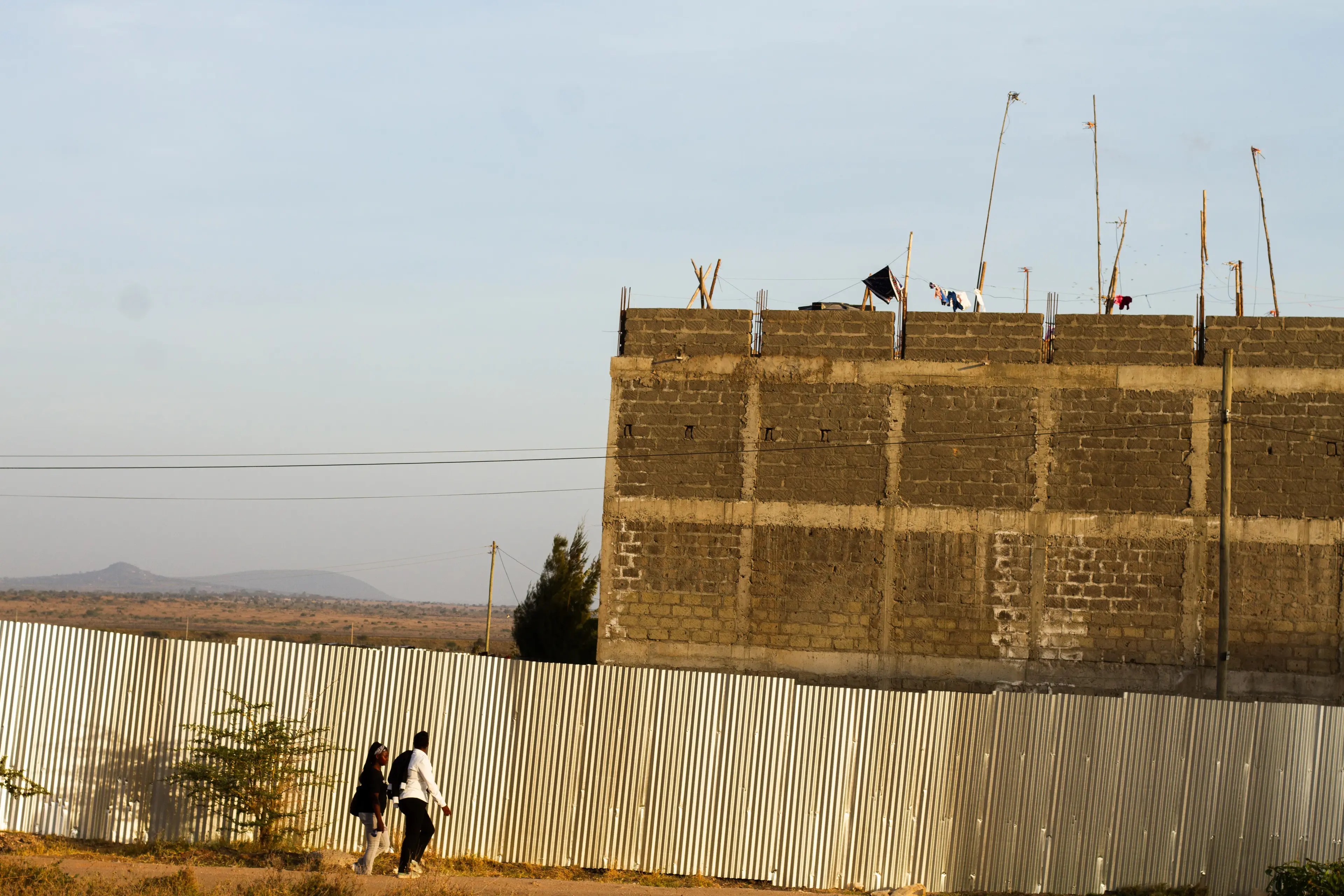
Preliminary results highlight a rapid conversion of agricultural land into residential plots in Nairobi's southeastern corridor and intensified land registry activity in Mali's Kati district.

Explore activities
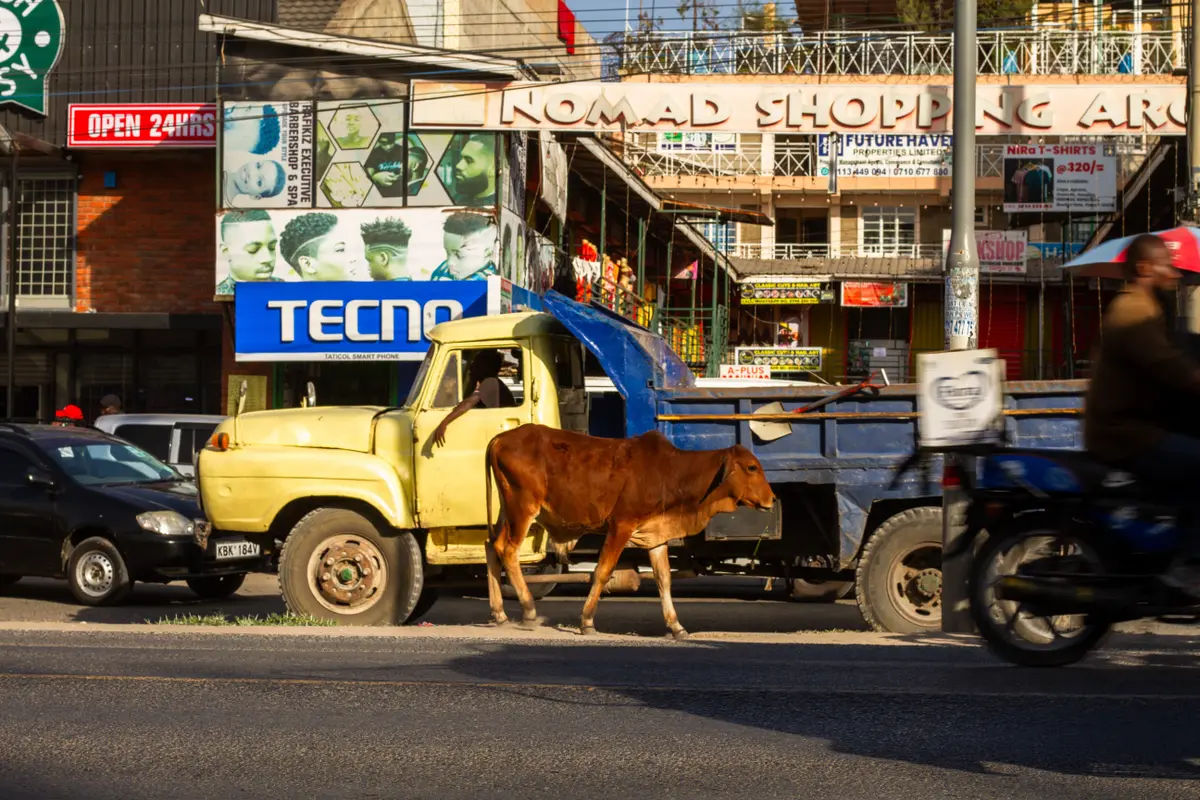
Field research: land transactions at the urban periphery

Plate 01: Urbanization front, Nairobi peri-urban corridor

Methodology

Work Packages

Our project is structured around four interconnected work packages combining remote sensing, ethnographic fieldwork, and spatial analysis.

WP1

Urban Sprawl Patterns & Territorial Reconfigurations

This WP measures the changes occurring in the outskirts of the three metropolises and contextualises the land-use changes. We mobilise quantitative data (satellite imagery, census databases, Africapolis, Open Street Map) to specify land use and cover changes on territorial fringes across three scales: metropolitan, local (communes), and parcel-level. Our aim is to evaluate urban expansion over time and space, producing a new GIS using Aphélion, TerrSet, QGis, and R software to follow population evolution and urbanisation trends over ten years.

WP2

Public Policies, Land Markets & Investors' Trajectories

Examining modes of access to land and land-use conversions. We identify three transversal approaches: (1) The sociology of investors and land rights transfers (profiles, motivations, financing); (2) Value chains activated by land transactions (production of land rent, economic anticipation, financial market relations); and (3) Social inequalities resulting from these processes (vulnerabilities and new coalitions of interest). We combine qualitative ethnographies with quantitative databases of recorded titles and property transfers.

WP3

Former & Current Users, New Socio-Spatial Inequalities

Addressing reconfigurations at the moving rural–urban interface. It examines increasing competition for peri-urban land resources and new territorial legitimacies. Key focus areas include the shrinking of agricultural surfaces for rural producers, the 'road factor' in urban sprawl discrimination, emerging real estate markets regulated by public authorities, and the interplay between landowners, operators, developers, and residents.

WP4

Social Groups in Action: Conflicts & Mobilisation

Examining land conflicts on urbanisation fronts rooted in tenure insecurity and dispossession. We analyse the mobilisation and resistance strategies of farmers and inhabitants facing state or private urbanisation projects. The WP questions non-violent and violent political mobilisation, the place of law and justice in claims, and the capacity of local actors to block or subvert projects, bringing to light perceptions of (in)justice and conflicts of norms.